
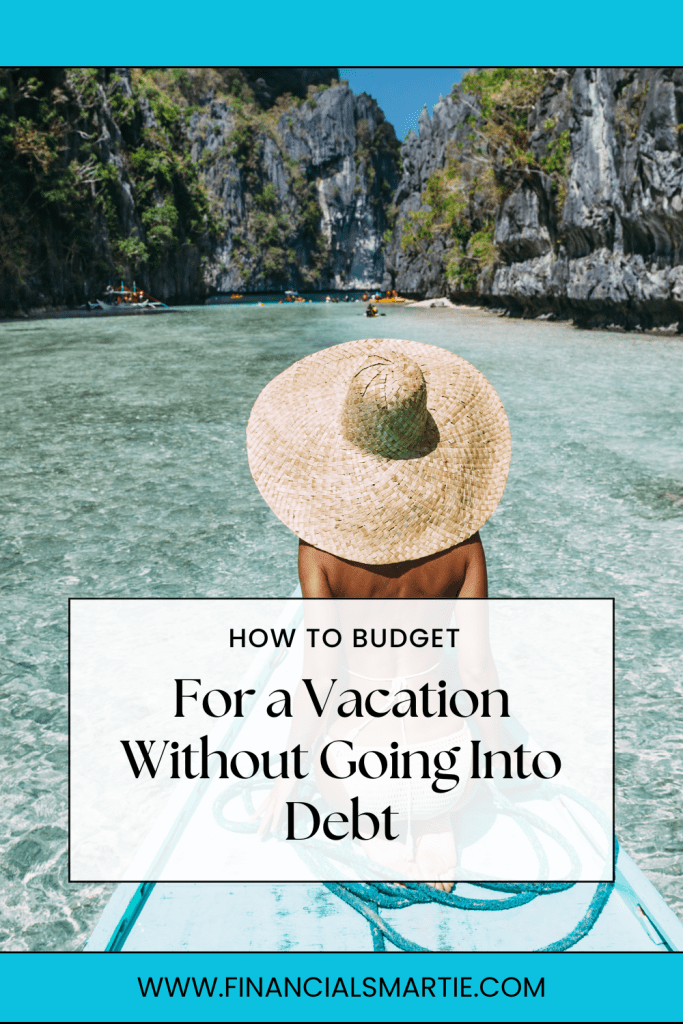
Dreaming of a getaway but worried about the cost? You’re not alone. The good news is you can enjoy a well-deserved vacation without maxing out your credit card. It all comes down to smart planning and budgeting.
Here’s how to take a vacation you can actually afford—without the financial stress afterward.
Step 1: Set a Realistic Vacation Goal
Start by deciding:
- Where you want to go
- How long you want to stay
- Who’s coming with you
- When you want to travel
Choose a destination that fits your current financial situation. A great vacation doesn’t have to be expensive—it just has to be intentional.
Step 2: Estimate the Total Cost
Break down all expected expenses:
- Transportation (flights, gas, car rental)
- Lodging (hotel, Airbnb, resort)
- Food (restaurants, groceries, snacks)
- Activities (tours, attractions, entertainment)
- Souvenirs and extras
- Travel insurance (optional but smart)
Add everything up to get a ballpark number for your total budget.
Step 3: Create a Vacation Savings Plan
Divide your estimated total cost by the number of months or weeks until your trip. That’s your savings target.
Example:
- Trip cost: $1,200
- You have 6 months to save
- $1,200 ÷ 6 = $200/month
Add this amount into your monthly budget under “Vacation Fund.”
Step 4: Open a Separate Vacation Fund
Keep your vacation money separate so you don’t spend it accidentally. Options include:
- A dedicated savings account
- A labeled cash envelope
- A sinking fund in your budgeting app
Out of sight = out of temptation.
Step 5: Look for Ways to Save on Travel
Get creative to stretch your budget:
- Use credit card rewards (responsibly!)
- Book during off-peak seasons
- Use price alerts and travel deal websites
- Pack snacks and reusable water bottles
- Choose free or low-cost activities
A little planning goes a long way.
Step 6: Prepay What You Can
If possible, prepay for:
- Lodging
- Transportation
- Tickets or tours
That way, most of your vacation is already covered before you leave—less financial stress while you’re trying to relax.
Step 7: Use Cash or Debit While Traveling
Avoid racking up post-trip debt:
- Bring your prepaid cash envelope
- Use a debit card tied to your vacation fund
- Track your daily spending to stay within budget
This helps you enjoy your trip without guilt.
Final Thought:
You don’t have to choose between a great vacation and financial stability. With the right plan and a little patience, you can have both. Budgeting for a vacation helps you enjoy it more—because you won’t be worrying about the bill when you get home.
Start saving today, and give yourself something exciting (and affordable) to look forward to.

